

Customer Data Platform (CDP) for Airlines, Travel & Hospitality across the full trip lifecycle
. A Customer Data Platform (CDP) for Airlines, Travel & Hospitality unifies all of it into a single profile per traveller and household, so revenue management, loyalty, marketing, and operations teams act on the full picture rather than the slice each system happens to hold.
Unified traveller and household profiles
Bring search behaviour, bookings, loyalty status, ancillary purchases, in-trip interactions, service requests, and feedback into one connected view per traveller.
Real-time trip signals
Capture searches, fare alerts, abandoned bookings, check-ins, lounge entries, and itinerary changes as they happen, so engagement reflects current trip state and not yesterday's batch report.
Cross-system data unification
Connect the booking engine, PSS or PMS, loyalty platform, mobile app, contact centre, OTA channels, and ancillary services into one resolved record per traveller.
Trip intelligence in context
Turn raw booking and behaviour data into clear signals about trip purpose, ancillary affinity, loyalty risk, and disruption sensitivity that revenue, loyalty, and operations teams can act on.
Trusted by thousands
Success Quantified
Real results from real customers—measured across ROI, growth and retention
500+
satisfied clients globally
98%
clients satisfaction
5x
ROI for clients
2x
more conversion
Core technology built for the travel data stack
The infrastructure handles patterns specific to travel and hospitality: long inspiration cycles followed by intense booking windows, multi-traveller bookings under one PNR or reservation, identity fragmentation across guest and registered states, and the operational data that arrives mid-trip and needs to land in profiles within seconds.
Multi-identifier resolution across traveller and household
Stitch identities across email, phone, loyalty number, PNR or reservation ID, frequent flyer or guest profile, OTA booking reference, and app login, so the profile holds together when a traveller books through different channels or when a spouse joins a trip on a separate ticket.
Travel-native data model
Pre-built schemas for searches, bookings, fares, ancillaries, loyalty tiers, stays, segments, and service interactions mean teams skip months of modelling and start activating data quickly.
Streaming profile updates
A fare search at 11pm, an upgrade purchased at check-in, a lounge entry, a flight cancellation, a hotel late check-out request — every event flows into the profile within seconds and is available for triggers, segmentation, or service desk lookups.
How AI sharpens travel engagement
Travel runs on subtle signals that rule-based segmentation misses. The same loyalty member might book economy for a family holiday and business class for a work trip in the same month, and rules struggle to tell the two apart. This is where models inside a Customer Data Platform (CDP) for Airlines, Travel & Hospitality earn their place
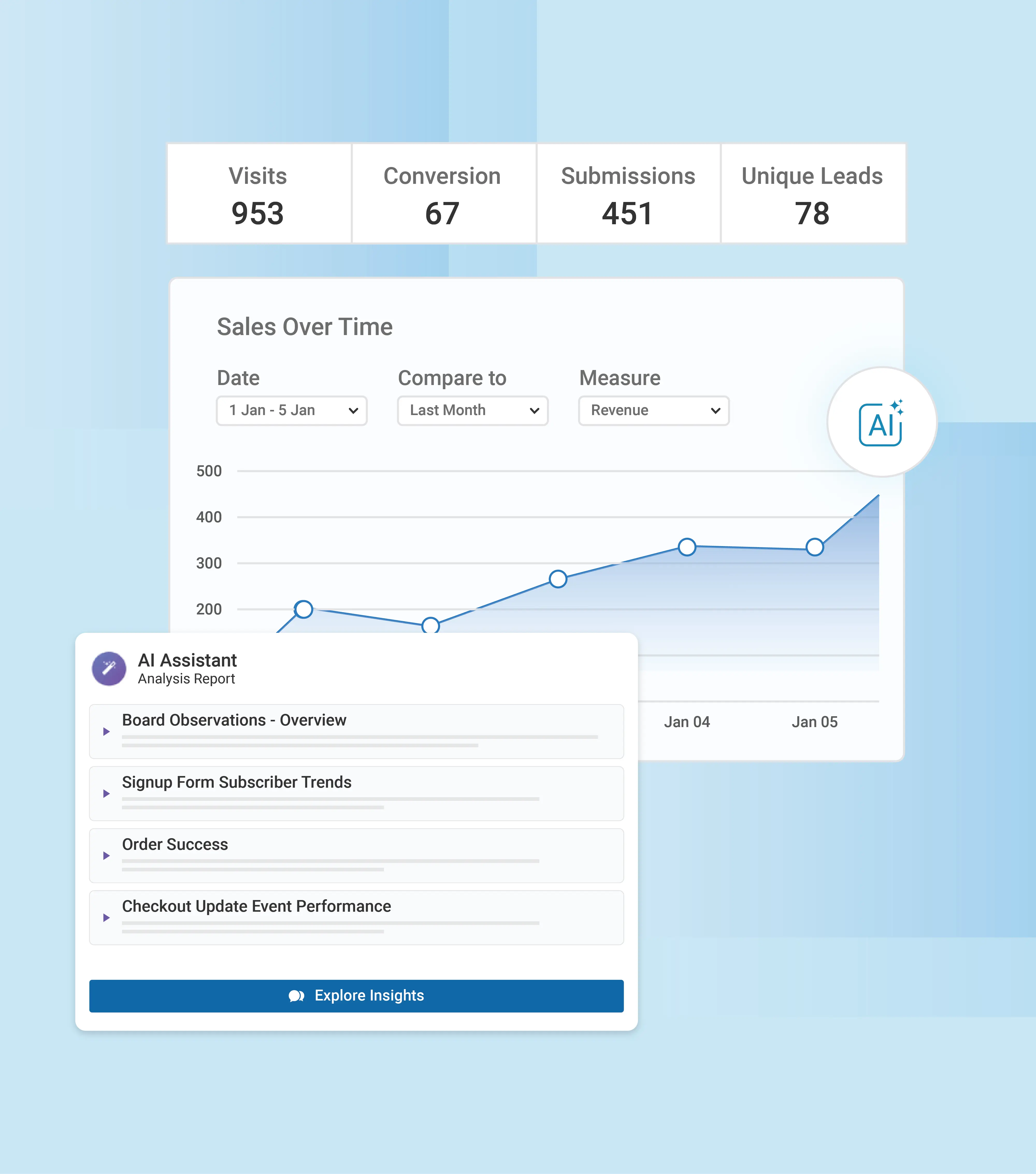
For each booking, AI picks the ancillary most likely to convert — a seat upgrade, an extra bag, lounge access, a room upgrade, a meal package — based on past behaviour, trip purpose, fare class, and price sensitivity. Generic upsell modules give way to offers shaped by what each traveller actually buys.
For each booking, AI picks the ancillary most likely to convert — a seat upgrade, an extra bag, lounge access, a room upgrade, a meal package — based on past behaviour, trip purpose, fare class, and price sensitivity. Generic upsell modules give way to offers shaped by what each traveller actually buys.
Models score each loyalty member's likelihood to lapse based on booking frequency decay, tier progress slowdown, redemption inactivity, and engagement decline, so retention teams reach out before the member silently switches to a competing programme.
When a flight cancels or a hotel overbooks, AI prioritises recovery actions based on traveller value, onward connections, group context, and past disruption experience, so operations teams resolve the highest-impact cases first instead of working a generic queue.
Use NVECTA Co-Pilot to ask things like "which Gold members based in Mumbai have not flown a paid international ticket in nine months but searched for Bangkok in the last week" without writing SQL or waiting on the analytics team.
From unified profiles to travel business impact
A live traveller view changes what revenue, loyalty, marketing, and operations teams can do day to day. The gains show up in ancillary revenue per passenger, loyalty retention, direct booking share, and operational recovery satisfaction.
Surface the right ancillary at the right moment — at booking, at check-in reminder, at airport gate, at hotel arrival — based on traveller history and current trip context, so each touchpoint earns its place instead of asking for the same upsell three times.
Reach members with status-relevant offers, tier-progress nudges, and reactivation hooks tied to their actual travel patterns and destinations of interest, rather than generic newsletter blasts that read the same to a Platinum and a base member.
Use search and engagement signals from the brand website and app to pull travellers away from OTA last-mile booking with personalised offers, fare guarantees, and member benefits that the OTA cannot match.
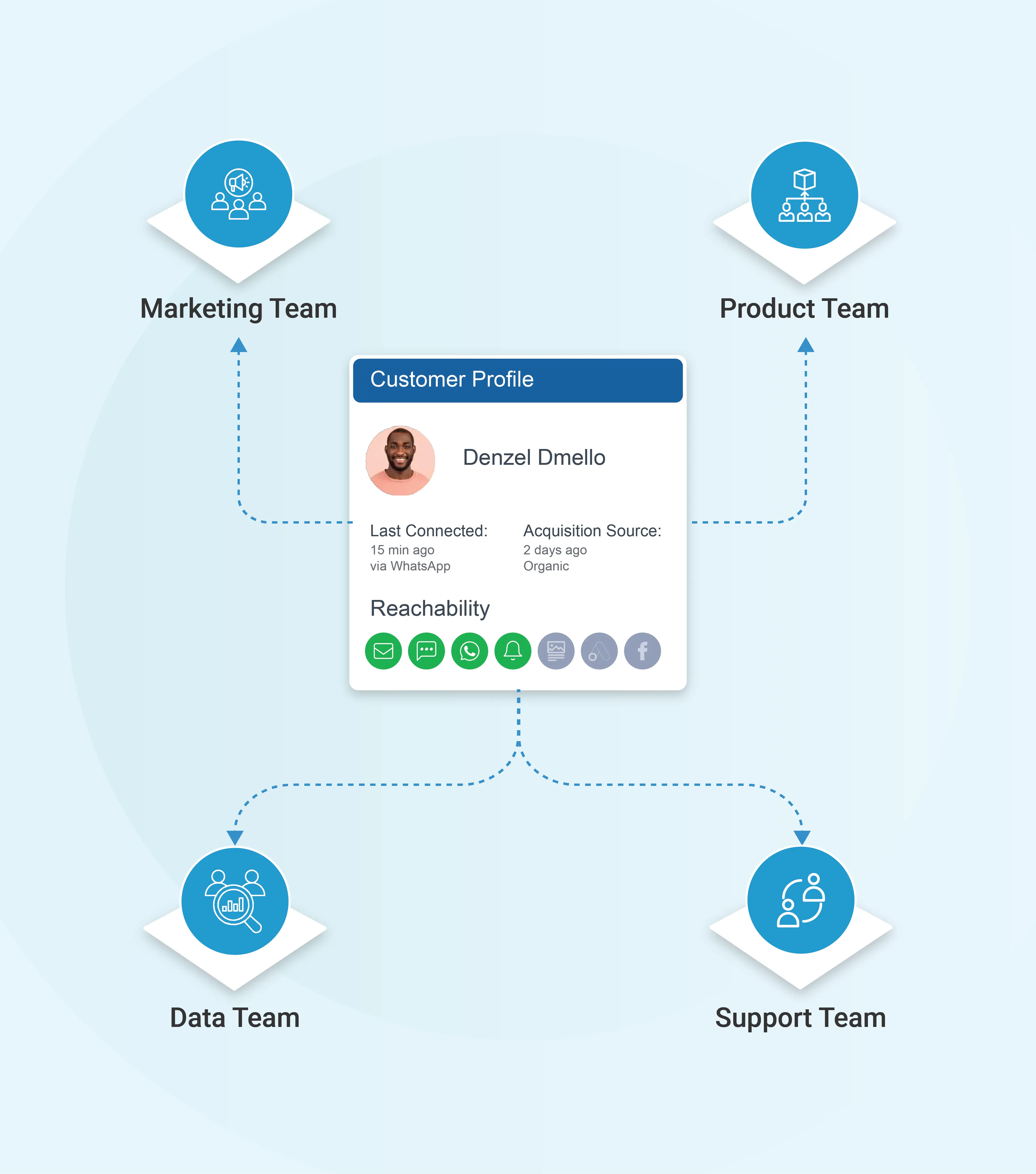
Give revenue managers, loyalty teams, marketers, contact centre agents, and airport or property staff access to the same traveller view, so a high-value member who tweeted a complaint at 7am does not get an upsell email at 9am.
From unified profiles to travel business impact
A live traveller view changes what revenue, loyalty, marketing, and operations teams can do day to day. The gains show up in ancillary revenue per passenger, loyalty retention, direct booking share, and operational recovery satisfaction.
Surface the right ancillary at the right moment — at booking, at check-in reminder, at airport gate, at hotel arrival — based on traveller history and current trip context, so each touchpoint earns its place instead of asking for the same upsell three times.
Reach members with status-relevant offers, tier-progress nudges, and reactivation hooks tied to their actual travel patterns and destinations of interest, rather than generic newsletter blasts that read the same to a Platinum and a base member.
Use search and engagement signals from the brand website and app to pull travellers away from OTA last-mile booking with personalised offers, fare guarantees, and member benefits that the OTA cannot match.
Give revenue managers, loyalty teams, marketers, contact centre agents, and airport or property staff access to the same traveller view, so a high-value member who tweeted a complaint at 7am does not get an upsell email at 9am.
Booking, loyalty, and operational data integration
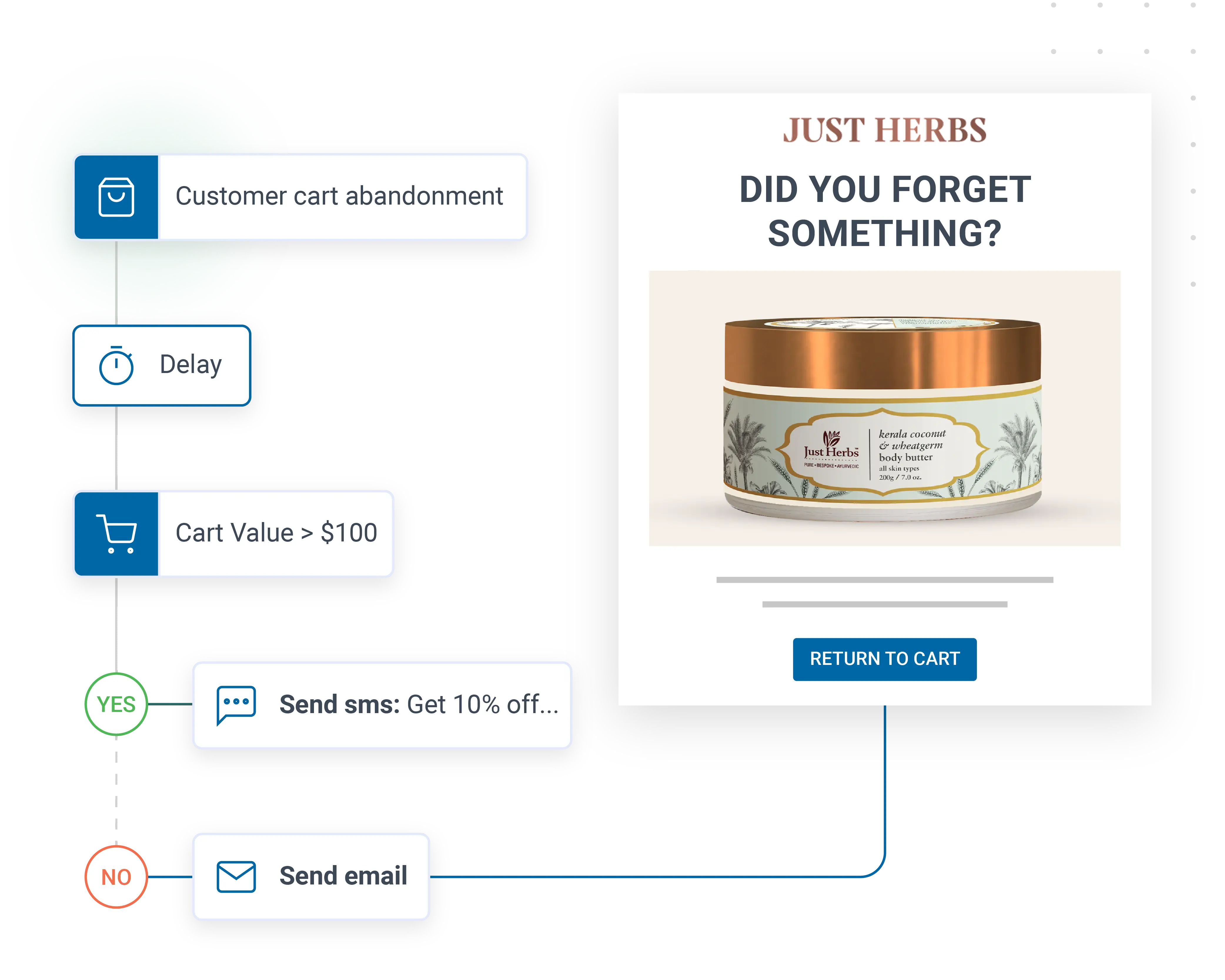
Travel data lives in some of the most fragmented systems in any industry. Bookings flow through PSS for airlines, PMS for hotels, GDS for trade channels, and OTA platforms for indirect demand. Loyalty data sits in dedicated engines. Operational data — check-ins, boarding, room status, service requests — comes from airport and property systems. The platform connects directly to PSS, PMS, GDS, OTA channels, loyalty platforms, contact centre systems, and operational data sources, normalising everything against the traveller-and-trip profile so teams work from one source rather than reconciling reports across half a dozen vendors.
Booking, loyalty, and operational data integration
Travel data lives in some of the most fragmented systems in any industry. Bookings flow through PSS for airlines, PMS for hotels, GDS for trade channels, and OTA platforms for indirect demand. Loyalty data sits in dedicated engines. Operational data — check-ins, boarding, room status, service requests — comes from airport and property systems. The platform connects directly to PSS, PMS, GDS, OTA channels, loyalty platforms, contact centre systems, and operational data sources, normalising everything against the traveller-and-trip profile so teams work from one source rather than reconciling reports across half a dozen vendors.
Trip, traveller, and household engagement views
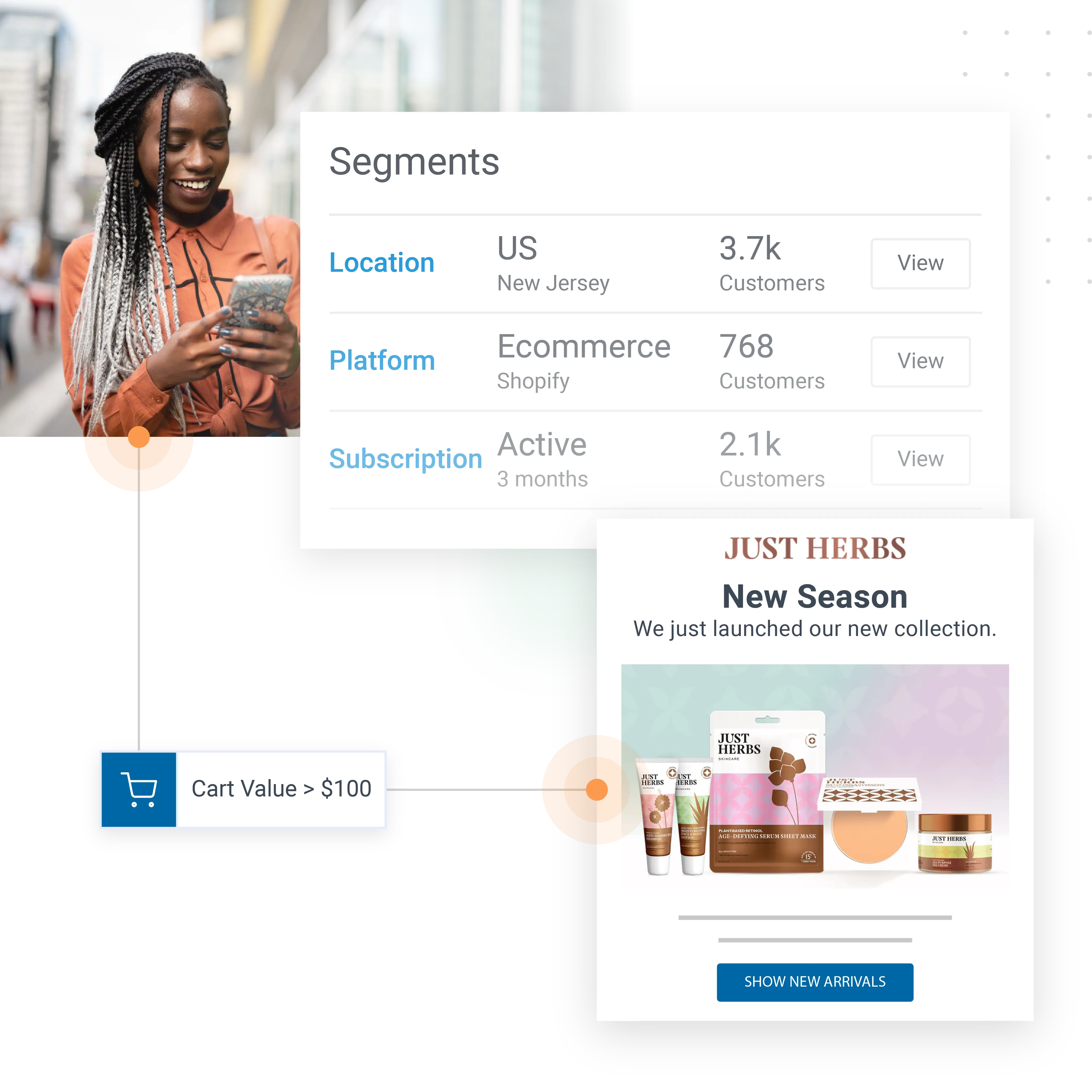
Travel is unusual because the unit of engagement is rarely just the individual booker. A single trip can involve multiple travellers under one PNR, a household with shared loyalty benefits, a corporate booker arranging for an executive, or a group sharing a hotel block. A Customer Data Platform (CDP) for Airlines, Travel & Hospitality represents these relationships explicitly. The traveller profile holds individual history. The household view aggregates members and shared loyalty benefits. The trip view holds all travellers, segments, and ancillaries for a single journey. The booker view (often different from the traveller in corporate or family contexts) holds booking authority and communication preferences. Each view respects consent and data sharing rules across the group.
Trip, traveller, and household engagement views
Travel is unusual because the unit of engagement is rarely just the individual booker. A single trip can involve multiple travellers under one PNR, a household with shared loyalty benefits, a corporate booker arranging for an executive, or a group sharing a hotel block. A Customer Data Platform (CDP) for Airlines, Travel & Hospitality represents these relationships explicitly. The traveller profile holds individual history. The household view aggregates members and shared loyalty benefits. The trip view holds all travellers, segments, and ancillaries for a single journey. The booker view (often different from the traveller in corporate or family contexts) holds booking authority and communication preferences. Each view respects consent and data sharing rules across the group.
Your data remains in your control
Trusted by teams worldwide
NVECTA operates without duplicating or storing your data. Instead, we securely read directly from your existing data warehouse—so your data stays safe and untouched.



Seamless Integrations. Enterprise Ready
Connect your data, systems, and tools through 100+ reliable integrations, built to unify your stack and scale with your business.
FAQ section
It is a platform that unifies traveller data from booking engines, PSS or PMS systems, loyalty platforms, mobile apps, contact centres, OTA channels, and ancillary services into a single live profile per traveller and household. Revenue, loyalty, marketing, and operations teams use this profile to drive ancillary revenue, retention, direct bookings, and consistent service.
PSS and PMS systems run reservations and operations. Loyalty engines manage tier progress and redemptions. None of these resolve identity across guest and registered bookings, OTA and direct channels, or app and offline interactions in real time. The CDP sits across these systems and gives every team the unified traveller view they need to act on.
Yes. Travellers who book directly, through OTAs, through corporate channels, or as guests across multiple trips get resolved into a single profile with full booking and behaviour history rather than appearing as separate records each time.
A single trip can hold multiple travellers under one PNR or reservation. Households link members with shared loyalty benefits and travel patterns. Engagement logic can target the booker, the lead traveller, individual passengers, or the household as a unit.
Yes. The data model handles airline schedules and fares, hotel stays and properties, cruise itineraries and excursions, OTA inventory aggregation, and travel agency operations within the same profile structure.
When operational events happen — cancellations, delays, overbookings — the platform surfaces affected travellers ranked by value, onward impact, and disruption history, so recovery teams act on priority cases first and travellers receive timely, appropriate communication.
Yes. Corporate booker profiles, traveller profiles, and group booking structures are part of the standard data model, so corporate sales, account management, and traveller engagement teams work from a coherent view.
Consent capture per channel and per category, regional data residency, PCI-aligned payment data handling, and audit logs are built into the platform. It aligns with GDPR, CCPA, the Indian DPDP Act, IATA passenger data requirements, and regional travel data regulations.
Ready to transform your workflow?
Ready to unify your customer data and deliver personalized experiences?